
Basil Amies
Entrada del blog por Basil Amies
The Planer Combination Device: A Comprehensive Guide
In the world of woodworking, accuracy and performance are critical. Craftsmen aim to accomplish flawless surfaces on their workpieces, and every tool used plays a considerable role in achieving that goal. A versatile tool that significantly takes spotlight in workshops is the Planer Combination Device. This useful devices combines multiple functionalities, enabling streamlined processes and enhanced results. In this post, we will check out the functions, advantages, and necessary considerations when utilizing planer combination gadgets, alongside a handy FAQ section.
What is a Planer Combination Device?
A planer combination device, also understood as a thickness planer or surface area planer, integrates the functions of a thickness planer and a jointer. This tool is designed to effectively flatten one surface of a board, then lower its thickness to the wanted measurements. Frequently discovered in woodworking stores, this device is important for attaining smooth, uniform surface areas on lumber.
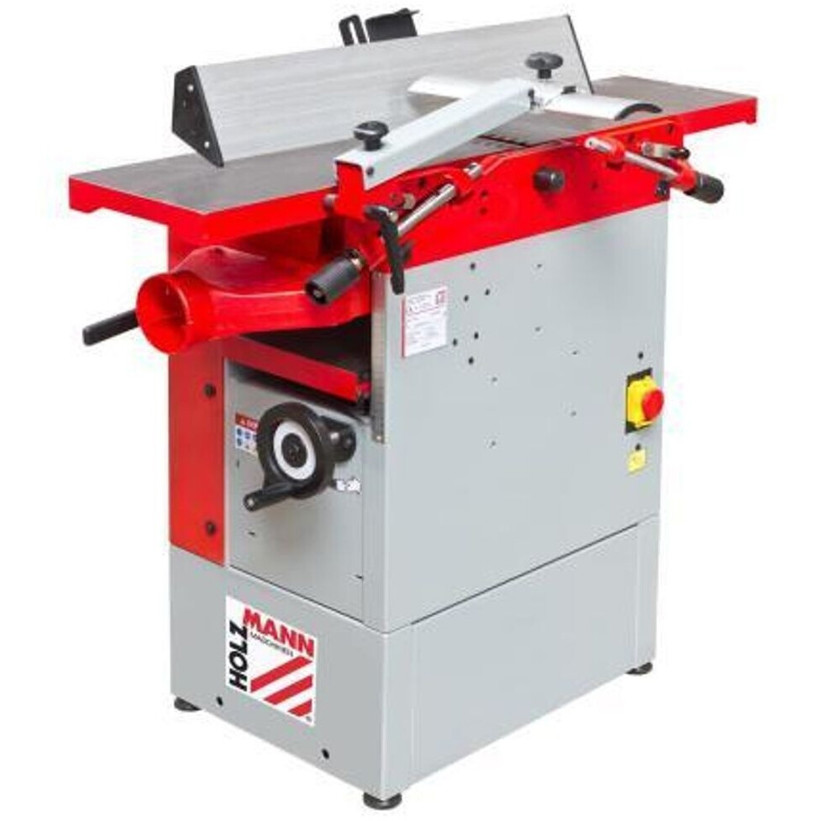
Key Features of a Planer Combination Device
| Function | Description |
|---|---|
| Double Functionality | Integrates signing up with and planing operations in one system. |
| Adjustable Depth | Allows for accurate thickness modifications for constant outcomes. |
| Strong Build | Resilient building and construction to deal with numerous wood densities. |
| Tough Table | Supplies strong support for bigger workpieces. |
| Safety Features | Equipped with guards and emergency stops for user safety. |
Benefits of Using a Planer Combination Device
In woodworking, taking full advantage of efficiency is essential. The organizer combination device boasts a number of advantages that not just enhance efficiency but also conserve time and area in the workshop. Here are some notable benefits:
- Space-Saving Design: Combining 2 important functions into one tool gets rid of the requirement for different machines, maximizing valuable workshop space.
- Improved Efficiency: Perform thicknessing and jointing in a single setup, drastically reducing the time and effort of preparing workpieces.
- Cost-Effective: Investing in a planer combination device can be more economical than purchasing different jointers and planers, providing better worth without jeopardizing on quality.
- Consistent Results: The ability to easily adjust thickness and ensure flat surfaces results in more predictable and professional-looking results.
- User-Friendly: Many models feature ergonomic controls and features, making them accessible to both beginners and experienced woodworkers.
Selecting the Right Planer Combination Device
When selecting a planer combination device, it's necessary to think about numerous aspects to ensure it fulfills your particular woodworking requirements. Here are some essential requirements to help you make the right option:
1. Motor Power
The power of the motor Trivox-Versand.de substantially affects the device's performance. Guarantee that you pick a design with enough horsepower to manage the density and thickness of the products you generally deal with.
2. Width Capacity
The width of the planer bed figures out the size of the boards you can deal with. Select a model with appropriate width capability for the types of projects you usually carry out.
3. Table Length
Longer tables supply better assistance for bigger workpieces, which is important for accomplishing the best results. Think about the table length and choose a model that suits your space and task requirements.
4. Relieve of Adjustments
Look for devices that enable quick and simple modifications in both the height and the fence. Such features boost usability and efficiency.
5. Brand Name Reputation and Reviews
Research different brand names and inspect evaluations to comprehend the reliability and efficiency of various models. Great customer care and guarantee options are also necessary factors to consider.
Common FAQs About Planer Combination Devices
1. What materials can a planer combination device manage?
Many planer combination gadgets are designed to deal with numerous kinds of woods and softwoods. Nevertheless, it's essential to evaluate the producer's requirements and suggestions for any restrictions.
2. How do I preserve my planer combination device?
Regular maintenance consists of cleaning the blades, examining for debris accumulation on the tables, and ensuring that all parts are lubricated according to the producer's guidance. Regularly checking wear parts can likewise extend the tool's lifespan.
3. Can a planer combination device produce a smooth finish?
Yes, a well-calibrated planer combination device can produce extremely smooth surfaces. Tweaking the depth of cut and ensuring a sharp blade will boost surface quality.
4. Are safety functions standard on all gadgets?
A lot of contemporary planer combination gadgets come with vital security features, such as blade guards and emergency situation stop switches. Nevertheless, constantly verify the requirements to make sure that sufficient precaution are in place.
5. What is the common price range for a planer combination device?
Costs can vary widely based on functions, brand, and total quality. Typically, you can anticipate to pay anywhere from ₤ 500 to ₤ 3000 or more, depending upon the specs and capabilities.
In conclusion, a planer combination device is a vital addition to any woodworking shop, providing unrivaled flexibility, performance, and precision. By combining the performances of thickness planers and jointers, this tool not just enhances the woodworking procedure however also guarantees a professional finish for a range of projects. Whether you are an experienced artisan or a woodworking amateur, buying a quality planer combination device can elevate your craftsmanship and improve your tasks' total results. With the right choice, maintenance, and safety practices, woodworkers can enjoy the various benefits this essential tool has to offer.