
Alisha McElhone
Entrada del blog por Alisha McElhone
Understanding and Repairing Window Rot: A Comprehensive Guide
Windows are an important component of any building, providing light, ventilation, and visual appeal. Nevertheless, they are also susceptible to numerous types of damage, consisting of rot. Window rot, particularly in wood frames, is a typical issue that can compromise the structural integrity of a window and lead to expensive repairs if left unaddressed. This short article looks into the causes of sliding window repair rot, the steps to identify it, and the methods for repairing it, guaranteeing that property owners and home glass repairs managers can preserve the functionality and look of their windows.
What is Window Rot?
Window rot is a kind of decay that impacts wooden window frames, sills, and elements. It happens when wood is exposed to moisture over a prolonged duration, resulting in the growth of fungis that break down the wood fibers. The procedure can be gradual, however if left unattended, it can cause significant damage, including warping, breaking, and the eventual collapse of the window structure.
Causes of Window Rot
Wetness Exposure: The primary cause of window rot is prolonged direct exposure to wetness. This can occur due to:
- Leaky Windows: If a window is not sealed properly, water can leak into the wood.
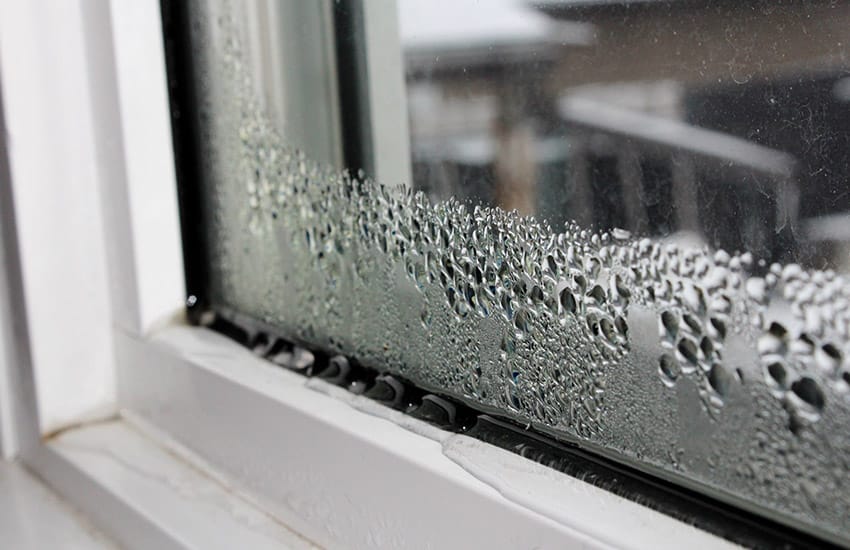
- Poor Ventilation: High humidity levels inside a building can trigger moisture to accumulate on window frames.
- Insufficient Drainage: Poorly developed rain gutters and downspouts can enable water to pool around windows.
- Leaking Roofs: Water from a leaking roofing can leak onto window frames and cause rot.
Lack of Maintenance: Regular upkeep, such as painting or staining, helps secure wood from wetness. Disregarding these jobs can speed up the decaying procedure.
Poor Quality Wood: Some kinds of wood are more resistant to rot than others. Utilizing low-quality or neglected wood can make the window more prone to decay.
Suboptimal Installation: Improper setup can leave gaps or fractures where moisture can go into, resulting in rot.
Identifying Window Rot
Early detection of window rot is important to avoid additional damage. Here are some signs to try to find:
- Soft or Damp Wood: Gently press on the window frame or sill. If the wood feels soft or spongy, it is most likely rotten.
- Discoloration: Rotting wood typically changes color, ending up being darker or lighter.
- Cracking and Splitting: Wood that is starting to rot might develop fractures or divides.
- Mold and Mildew: The existence of mold or mildew is a strong indicator of moisture issues and potential rot.
- Moldy Odor: A musty odor around the window can suggest covert rot.
Actions to Repair Window Rot
Repairing window rot requires an organized approach. Here's a step-by-step guide:
Assess the Damage
- Identify the extent of the rot. Small damage can often be fixed, however extreme damage might require replacement.
- Determine the source of the moisture and address it to avoid future problems.
Remove the Rotten Wood
- Utilize a sculpt or a rotary tool to get rid of all the rotten wood. It's essential to cut down to solid, healthy wood.
- Clean the area to get rid of any staying particles and ensure it is dry.
Apply Wood Hardener
- Use a wood hardener to the exposed, healthy wood. This product helps stabilize the wood and prepare it for repair.
- Follow the maker's directions for application and drying time.
Fill the Area
- Use a wood filler or epoxy to fill deep spaces left by the eliminated wood. These products can be shaped and sanded to match the original surface.
- Allow the filler to dry completely before continuing.
Sand and Smooth
- When the filler is dry, sand the area to create a smooth surface area. Make certain to feather the edges to mix the repair with the surrounding wood.
- Clean away any dust with a wet cloth.
Prime and Paint
- Use a guide to the repaired location to guarantee proper adhesion of the paint.
- Paint the window frame or sill to match the existing color and provide extra protection against moisture.
Seal the Window
- Ensure that the window is appropriately sealed to avoid water from entering in the future. Usage caulk or weatherstripping to seal any spaces.
Avoiding Window Rot
Avoidance is crucial to keeping the durability of your windows. Here are some tips to prevent window rot:
Regular Maintenance
- Paint or Stain: Reapply paint or stain every couple of years to protect the wood.
- Caulk and Weatherstripping: Check and replace caulk and weatherstripping as needed to seal gaps.
Correct Drainage
- Gutters and Downspouts: Ensure that gutters and downspouts are tidy and working properly to direct water away from the windows.
- Landscaping: Slope the ground away from the building to avoid water from pooling around the windows.
Ventilation
- Interior Ventilation: Use dehumidifiers or vents to reduce humidity levels inside the structure.
- Outside Ventilation: Ensure that the location around the windows is well-ventilated to avoid wetness accumulation.
Quality Materials
- Pick Rot-Resistant Wood: Opt for rot-resistant wood species like cedar, redwood, or pressure-treated lumber.
- Sealant: Apply a sealant to the wood to further secure it from moisture.
Frequently asked questions
Q: Can I repair window rot myself, or should I work with a professional?A: Minor window rot can often be fixed by a property owner with basic tools and materials. However, if the damage is comprehensive or if you are not positive in your abilities, it is best to hire an expert. Professionals have the experience and equipment to make sure an appropriate repair and prevent additional damage.

Q: How frequently should I check my windows for rot?A: It is advised to inspect your windows for signs of rot at least as soon as a year, preferably during the spring or fall. Regular examinations can help capture concerns early, making repairs more manageable and less costly.
Q: Can I prevent window rot in the very first location?A: While it is difficult to entirely eliminate the danger of Window rot repair rot, you can substantially minimize the likelihood by following preventive procedures such as regular upkeep, proper drain, and using top quality, rot-resistant products.
Q: What should I do if the rot is severe?A: If the rot is extreme, the harmed wood components may need to be replaced rather than fixed. In such cases, it is a good idea to consult a specialist who can evaluate the circumstance and recommend the finest course of action.
Q: Can I utilize wood filler for deep rot?A: Wood filler is suitable for small repairs and surface area damage. For deep rot, it is much better to utilize a two-part epoxy, which is stronger and more durable. Epoxy can likewise be utilized to fill bigger voids and fractures.
window frame repair rot is a typical issue that can trigger substantial damage to wood window frames and sills. By understanding the causes, identifying the indications, and following a methodical method to repair, homeowners and home managers can preserve the functionality and appearance of their windows. Regular upkeep and preventive measures are essential to preventing rot and making sure the durability of your windows. Whether you choose to tackle the repairs yourself or work with a professional, attending to window rot without delay is vital to safeguard your financial investment and the structural stability of your building.
Extra Resources
- Local Hardware Stores: Visit regional hardware stores for a range of wood fillers, sealants, and paints.
- Professional Window Repair Services: Consider employing a professional if the damage is substantial or if you are not sure about the repair process.
- Online Tutorials: Look for detailed guides and video tutorials on fixing window rot for additional assistance.
By remaining informed and proactive, you can keep your windows in leading condition and enjoy the lots of advantages they supply.