Alberta Farkas
Entrada del blog por Alberta Farkas
Understanding Ramps For Disabled Accessibility: A Comprehensive Guide
In today's world, guaranteeing accessibility for individuals with specials needs is a vital aspect of community preparation and advancement. Among the important parts of ease of access functions is ramps, which offer an important methods of navigation for those utilizing wheelchairs, walkers, or simply requiring an additional little bit of help. This blog site post aims to provide a summary of Ramps for Disabled (www.Elinoravello.top) people, offering handy insights and guidance on their style, types, advantages, and best practices, together with an extensive FAQ section.
The Importance of Ramps for Disabled Accessibility
Ramps play an important function in improving the mobility and independence of individuals with disabilities. By making it possible for easier access to buildings, public spaces, and transport, these structures substantially minimize the barriers that individuals may encounter. Below are some bottom lines that highlight their significance:
- Inclusion: Ramps promote an inclusive society, enabling individuals with disabilities to take part in everyday activities, community events, and work.
- Security: They provide a much safer option to stairs, decreasing the danger of mishaps for both users with mobility obstacles and caregivers.
- Legal Compliance: Many nations have developed laws and requirements for ease of access (like the Americans with Disabilities Act in the USA), needing the installation of ramps in public buildings.
Table 1: Accessibility Legislation Overview
| Area | Legislation | Secret Provisions |
|---|---|---|
| United States | Americans with Disabilities Act (ADA) | Mandates available styles for public spaces and buildings. |
| Canada | Ease of access for Ontarians with Disabilities Act (AODA) | Requires public-sector companies to follow availability standards. |
| European Union | Accessibility Act | Develops typical requirements for ease of access across member states. |
Kinds of Ramps
Ramps can be found in different kinds, each designed to fit specific needs and contexts. Below are the most common types of ramps used for disabled access:
- Permanent Ramps: Installed as a part of the building structure, typically made from concrete or wood.
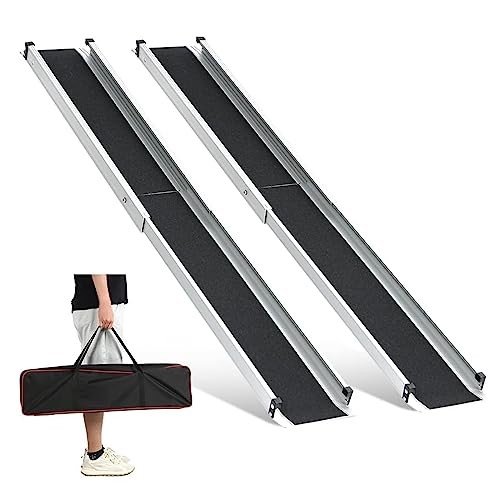
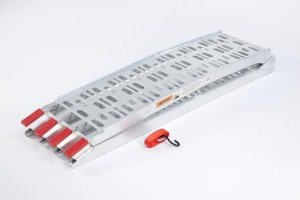
- Portable Ramps: Lightweight and created for temporary use, typically utilized for individual access to vehicles or occasions.
- Suction Cup Ramps: Used for mobility help, these ramps can be connected to lorries, supplying a flexible option for those who travel.
- Threshold Ramps: Designed to bridge the space between two surfaces at doorways or entry points, assisting in smooth transitions.
Table 2: Ramp Types and Features
| Type | Product | Finest Use Cases | Pros | Cons |
|---|---|---|---|---|
| Irreversible Ramps | Concrete/Wood | Public buildings/residential | Resilient, low maintenance | Pricey to set up |
| Portable Ramps | Aluminum/Fiberglass | Events/vehicles | Easy to transfer | May not support heavy weights |
| Suction Cup Ramps | Various | Cars | Flexible and adjustable | May require more maintenance |
| Threshold Ramps | Rubber/Wood | Doorways | Basic installation | Minimal height capacity |
Advantages of Ramps
The installation of ramps supplies many advantages, as described listed below:
- Enhanced Mobility: Ramps permit users simpler movement up and down inclines, reducing strain and tiredness.
- Self-reliance: With the accessibility of ramps, people with mobility problems are most likely to browse their surroundings without help, enhancing their confidence and autonomy.
- Increased Opportunity: Accessible ramps ensure that people with specials needs can reach workplaces, schools, and social areas, promoting wider participation in society.
Finest Practices for Ramp Design
Producing reliable and safe ramps needs adherence to specific standards and principles. Here are some finest practices to think about:
- Follow Accessibility Standards: Always seek advice from local accessibility guidelines to ensure compliance with guidelines.
- Pick the Right Slope: The ideal slope ratio is normally 1:12 for wheelchair access. This means one system of vertical increase for every twelve systems of horizontal run.
- Non-Slip Surfaces: Use materials and surfaces that provide appropriate grip, especially during damp or icy conditions.
- Include Handrails: Installing strong hand rails on both sides of the ramp can provide additional support and security for users.
- Routine Maintenance: Conduct regular evaluations to determine wear or damage and perform timely repair work as needed.
Table 3: Ramp Design Considerations
| Style Aspect | Recommendation | Importance |
|---|---|---|
| Slope Ratio | 1:12 ratio | Makes sure ease of use for wheelchair users |
| Width | Minutes. 36 inches | Enables safe passage for users and caretakers |
| Surface Material | Non-slip, durable product | Avoids accidents and supplies durability |
| Handrails | Minimum 34 to 38 inches above ramp surface | Provides additional support for users |
| Turnaround Space | Min. 5ft x 5ft for reversals | Accommodates users to pivot safely |
Regularly Asked Questions (FAQs)
1. Who qualifies as disabled for ramp ease of access?
The term "disabled" varies across legislation and organizations. Typically, it refers to people with physical problems that restrict their mobility or ability to navigate stairs, including those using wheelchairs, walkers, or other mobility aids.
2. Are ramps needed in all public buildings?
Yes, many countries mandate that public buildings be accessible to people with disabilities through ramps, as described in availability legislation.
3. Can I construct my ramp, or do I need a professional?
While some property owners might opt to develop their ramps, hiring an expert with knowledge in ADA compliance is recommended to ensure safety and local code compliance.
4. How do I keep a portable ramp?
Frequently inspect the ramp for signs of wear and keep it clean from particles. Ensure that any movable parts operate correctly, and store it in a dry place to lengthen its life-span.
5. What is the average expense of installing an irreversible ramp?
The expense differs commonly based on materials, style, and labor but can vary from ₤ 1,000 to ₤ 5,000 or more depending on the site conditions and complexity included.
Ramps for disabled individuals are a vital component in cultivating available and inclusive environments. Comprehending the types, advantages, legal implications, and finest practices for ramps can contribute considerably to enhancing the quality of life for individuals with mobility difficulties. As communities continue to establish and customize their facilities, making sure ease of access must stay at the leading edge of planning initiatives, making it possible for everyone to navigate their surroundings successfully. Awareness, education, and commitment to availability will cause a more inclusive society for all.