
Rob Whitely
Blog entry by Rob Whitely
The Professional Circular Saw: A Comprehensive Guide
Circular saws are a necessary tool in any professional carpenter's toolkit, providing precision and adaptability in different woodworking tasks. This blog post dives deep into the world of professional circular saws, exploring their features, advantages, and various types readily available in the market. This guide aims to offer valuable insights for both seasoned carpenters and beginners seeking to purchase this vital tool.
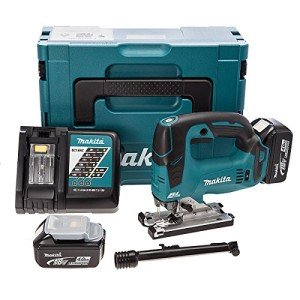
What is a Circular Saw?
A circular saw is a power-saw that utilizes a toothed or abrasive disc or blade to cut through different materials. They are mainly utilized for cutting wood however can also slice through metal, plastic, and other products depending upon the blade type. The blade rotates at high speed, permitting quick and efficient cuts.
Kinds Of Circular Saws
| Kind Of Circular Saw | Description | Best Uses |
|---|---|---|
| Sidewinder | The most common type with an inline motor. Light-weight and portable. | General cutting of wood and sheet goods. |
| Dual-Sided | Functions a blade that can be adjusted to cut from either side. | Versatile for numerous cutting angles. |
| Worm Drive | Has a motor placed behind the blade, offering more torque. | Heavy-duty cutting tasks and larger projects. |
| Compact | Smaller sized and lighter, created for one-handed use. | Trim work and tight areas. |
| Cordless | Battery-operated saws supplying benefit and mobility. | Outside tasks where power outlets are limited. |
Key Features to Look For
When buying a professional circular saw, a number of functions can substantially boost user experience and effectiveness. Below is a list of vital functions to think about:
Blade Size:
- Common blade sizes vary from 5-1/2 to 7-1/4 inches. Choose a size suitable for the material you mainly work with.
Source of power:
- Corded: Provides consistent power without recharge interruptions.
- Cordless: Offers mobility however requires battery upkeep.
Motor Power:
- Measured in amps for corded saws and volts for cordless ones. A greater power score implies much better cutting capability through tougher materials.
Bevel Capacity:
- The ability to tilt the base plate enables angled cuts. Search for designs with at least 45-degree bevel capability.
Weight:
- Lightweight models are much easier to deal with but may compromise power. Consider your needs and convenience level.
Safety Features:
- Look for brake systems, blade guards, and electric lock-offs for included safety.
Dust Blower/Vacuum Adaptability:
- Helps keep the line of sight clear and the work space tidy by blowing away sawdust or connecting to a vacuum.
Benefits of Using a Professional Circular Saw
Performance and Speed: Circular saws provide quickly cutting speeds compared to manual saws, enhancing productivity on the job.
Adaptability: These saws can deal with multiple products and kinds of cuts, making them ideal for a broad range of jobs.
Precision: With appropriate settings and blades, circular saws supply clean, accurate, and straight cuts.
Mobility: Many designs are light-weight and developed for simple transport, enabling users to work in numerous locations.
Resilience: Professional-grade saws are constructed to stand up to the rigors of frequent use, providing lasting efficiency.
FAQs
1. What is the very best blade type for a circular saw?
The best blade type depends on the material being cut. For wood, use a carbide-tipped tooth blade; for metal, utilize a metal-cutting blade, and for basic purposes, a mix blade works well.
2. Can you cut metal with a circular saw?
Yes, with the suitable blade, circular saws can cut various metals, including aluminum and thin sheet steel.
3. How do I keep my circular saw?
Frequently clean the blade, examine the motor and electric cables for damage, and ensure that all parts are tightly secured.
4. What is the perfect RPM for a circular saw?
Many circular saws typically operate in the variety of 5,000 to 6,000 RPM, which is ideal for a range of products.
5. Are cordless circular saws as effective as corded ones?
Cordless models have advanced significantly and can be simply as powerful, but corded saws might deliver constant Power Tools Online for extended sturdy usage.
Purchasing a professional circular saw is a choice that can substantially impact the quality and efficiency of woodworking tasks. Understanding the different kinds of circular saws, their essential features, and the benefits they provide can assist in picking the best tool for the job. Whether you're a professional contractor or a DIY enthusiast, a circular saw can elevate your workmanship. By keeping the FAQ section in mind, users can make informed decisions and keep their tools for optimum efficiency.
In conclusion, the professional circular saw remains a critical tool that mixes innovation with effectiveness, making it an important asset in the world of woodworking. With the best choice, users can accomplish accuracy and efficiency in their projects for several years to come.