
Alexis Grandi
Blog entry by Alexis Grandi
DIY French Door Repair: A Comprehensive Guide
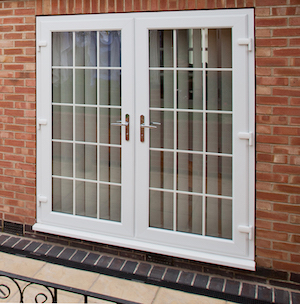
French doors are elegant, functional, and allow plenty of natural light, making them a popular choice for homes. However, like any part of your home, French Door Repair Diy doors can wear down over time, needing repairs. Whether your doors have a hardware concern, have fallen off the hinges, or show indications of weather condition damage, the bright side is that lots of repairs can be handled as DIY jobs. This guide will offer you with a detailed summary of how to repair French Door Repair Diy doors, troubleshooting tips, and answers to common questions.
Understanding French Door Components
Before diving into repair, it's necessary to understand the components of your French Door Restoration doors. Below is a list that outlines their primary parts:
| Component | Description |
|---|---|
| Door Panels | The two individual doors that swing open, typically made of wood or glass. |
| Hinges | The metal fittings that allow the doors to swing open and closed. |
| Lockset | The deal with and locking system that protects the door. |
| Weatherstripping | The material that seals the door against drafts and moisture when closed. |
| Threshold | The bottom part of the door frame that rests on the flooring; it can help with insulation. |
| Frame | The structural part that holds your doors in place. |
Common Issues and How to Repair Them
1. Misaligned Doors
Signs: Doors are tough to open or close, or they won't latch appropriately.
Repair Steps:
- Check Existing Alignment: Close the doors and examine the spaces in between the panels and the frame. A gap indicates misalignment.
- Change Hinges: Use a screwdriver to tighten loose hinges. If they are hanging low, include washers to raise the door slightly.
- Shimming: If the frame is warped, you might require to install shims behind some hinges to adjust the door's position.
2. Broken or Worn Hardware
Signs: Door handles that stick, locks that jam, or hinges that squeak.
Repair Steps:
- Replacing Handles and Locks: Purchase new hardware that matches the existing ones. Remove the old hardware with a screwdriver, set up the brand-new elements, and test for performance.
- Lubrication: Apply lube to moving parts, particularly locks and hinges, to minimize friction and squeaking.
3. Weatherstripping Damage
Symptoms: Drafts or wetness entering the home.
Repair Steps:
- Remove Old Weatherstripping: Pull away the old, damaged weatherstripping from the door frame. Tidy the surface area to make sure an excellent bond.
- Set Up New Weatherstripping: Cut the brand-new weatherstripping to size and press it into place. Make sure a tight seal when the door is closed.
4. Repairs for Cracks or Splits
Symptoms: Visible fractures in wooden doors.
Repair Steps:
- Fill the Cracks: Use wood filler to fill fractures and divides. Enable it to dry entirely and sand it smooth.
- Repaint or Stain: Touch up the door with paint or stain to safeguard it from the elements and restore its appearance.
5. Limit Repairs
Symptoms: Damage or deterioration of the limit.
Repair Steps:
- Inspect for Damage: Check if the limit is decaying or harmed.
- Replace if Necessary: If harmed, remove the old limit and set up a brand-new one according to the maker's specs. Guarantee that it is level for a proper fit.
Tools and Materials Needed
Before starting your repairs, gather the required tools and products. Here's a consolidated list:
| Tools | Products |
|---|---|
| Screwdriver | New hardware (e.g., handles, locks) |
| Pry bar | Weatherstripping |
| Wood filler | Paint or stain |
| Sandpaper | Primer (if painting) |
| Level | Replacement threshold (if needed) |
| Shims | Lubricant (for hinges/locks) |
Safety Considerations
While performing repairs, it's vital to focus on security. Here are some tips:
- Wear Safety Gear: Always don eye defense and gloves when dealing with tools or working with wood.
- Guarantee Stability: Make sure that doors are safely propped open if eliminated from their hinges to prevent injury.
- Usage Tools Properly: Familiarize yourself with how to use each tool before beginning repairs.
FAQ about French Door Repair
Q1: Can I repair my French doors myself, or should I work with a professional?
A: Many French Door Hinges door repairs can be done DIY-style, especially if you feel comfortable using basic tools. However, for extensive damage or complex issues, working with a professional may be the finest choice.
Q2: How can I inform if my French doors need to be replaced instead of repaired?
A: If your doors are severely warped, decaying, or show substantial damage that can't be financially fixed, it may be time for a replacement.
Q3: How frequently should I conduct maintenance on my French doors?
A: Regular maintenance, consisting of cleaning weatherstripping and lubricating hinges, ought to be done a minimum of two times a year.
Q4: Is it typical for my French doors to broaden and contract with the weather condition?
A: Yes, wood doors can expand and contract with humidity and temperature level modifications, which might cause short-lived misalignment or difficulty in closing.
Q5: What type of weatherstripping is best for French doors?
A: Foam and V-strip weatherstripping are popular choices for French doors due to their ease of installation and efficiency versus drafts.
Repairing French Door Repair Parts doors can seem challenging, but with the right tools, materials, and understanding, many repairs are attainable for a DIY enthusiast. Regular maintenance not only improves the aesthetic of your home but likewise extends the life of your doors. Comprehending how to deal with common issues will empower you to keep your Double French Door Repairs doors looking fantastic and operating effectively for many years to come. Pleased fixing!